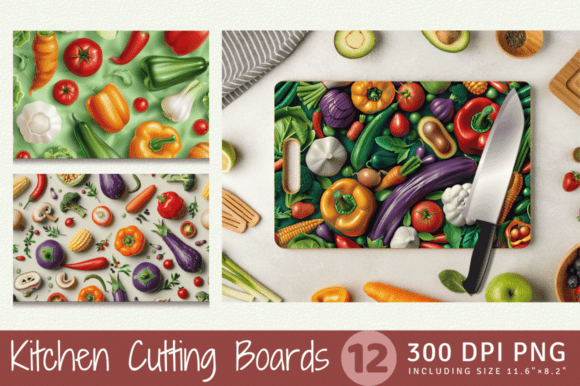
Mastering 3D Vegetables Cutting Boards Sublimation for High-Impact Kitchen Decor
The intersection of culinary functionality and artistic expression has created a vibrant niche in the home goods market. Among the most compelling innovations in this space is the application of 3D Vegetables Cutting Boards Sublimation. This technique transforms a standard kitchen utility item into a striking piece of decor, appealing to cooking enthusiasts, interior design aficionados, and print-on-demand entrepreneurs alike. By leveraging high-resolution digital designs, creators can produce cutting boards that feature lifelike, three-dimensional vegetable motifs, adding depth and realism that flat prints simply cannot achieve.
Understanding the nuances of this process requires more than just technical knowledge of printing; it demands an appreciation for how these items fit into modern lifestyles. Whether used as a functional surface for chopping fresh produce or as a decorative serving platter for charcuterie, these boards serve multiple roles. For businesses, they represent a versatile product line that taps into the enduring popularity of farmhouse aesthetics and food-themed gifting. For consumers, they offer a way to personalize their culinary spaces with unique, high-quality artistry.
The Visual Appeal of Three-Dimensional Design
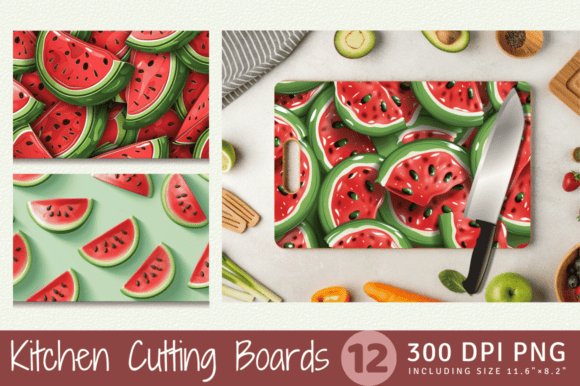
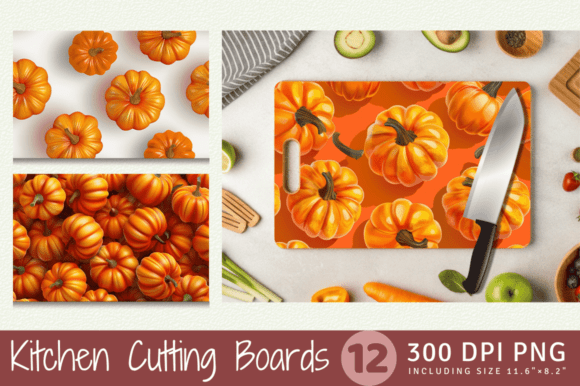
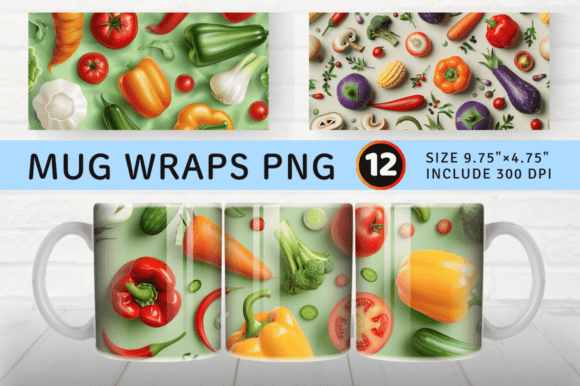
Traditional sublimation often results in flat, two-dimensional images. However, the term "3D" in this context refers to the visual depth created through sophisticated shading, lighting effects, and perspective in the digital artwork. When applied to a cutting board, these design elements make vegetables such as tomatoes, peppers, leafy greens, and root crops appear as though they are resting on the surface rather than merely printed on it. This illusion of depth is achieved through meticulous graphic design work, where highlights and shadows are carefully calibrated to mimic natural light.
The psychological impact of such realistic imagery is significant. In a kitchen environment, where freshness and quality are paramount, seeing vibrant, lifelike produce can evoke feelings of health and vitality. It enhances the sensory experience of cooking, making the preparation of meals feel more connected to nature. For interior designers, these boards provide a focal point that bridges the gap between rustic charm and modern clarity. The high-contrast colors of fresh vegetables against the clean background of a cutting board create a dynamic visual statement that complements various decor styles, from industrial lofts to country cottages.
Technical Specifications for Professional Results
To achieve the crisp, vibrant results expected in professional-grade sublimation, the quality of the source file is non-negotiable. A typical high-quality design package for this purpose includes high-resolution PNG images. For instance, a standard optimal size might be 11.6 by 8.2 inches, which translates to 3480 by 2460 pixels at 300 dots per inch (dpi). This resolution ensures that when the image is transferred onto the substrate, there is no pixelation or blurring, even when viewed up close.
The use of PNG format is crucial because it supports transparency. This allows designers and printers to place the vegetable graphics seamlessly onto different colored backgrounds or board materials without unwanted white boxes or borders. The 300 dpi standard is the industry benchmark for print quality, ensuring that fine details—such as the texture of a carrot’s skin or the veins in a kale leaf—are rendered with precision. For print-on-demand sellers, having access to files with these specifications means they can offer a premium product that stands out in a crowded marketplace.
It is important to note that these digital assets are intended for specific uses. When acquiring such designs, users typically receive a zip file containing the necessary images. These files are for personal or commercial use in creating physical products, but the actual digital files themselves cannot be shared or resold. This protection ensures that the original artist retains control over their intellectual property while allowing buyers to utilize the designs for their intended purpose: creating tangible, high-quality goods.
Applications in Modern Kitchens and Gifting
The versatility of 3D vegetable-themed cutting boards extends beyond mere utility. They have become popular items for several distinct use cases, each highlighting different aspects of their appeal.
- Functional Kitchen Decor: Many homeowners choose to display these boards on wall racks or lean them against backsplashes when not in use. The vivid imagery serves as art, reducing the need for additional framed pictures in the kitchen while maintaining a theme centered on food and cooking.
- Serving Platters: While designed as cutting boards, many users reserve them exclusively for serving. They are ideal for presenting appetizers, cheeses, and fruits. The durable surface is easy to clean, and the attractive design enhances the presentation of the food placed upon it.
- Themed Gifts: For cooking lovers, these boards make thoughtful gifts. They resonate with individuals who take pride in their culinary skills or those who appreciate farmhouse-style aesthetics. The personalized nature of sublimation allows for further customization, such as adding names or special dates, making the gift even more meaningful.
- Photography Props: Food bloggers and photographers often use these boards as backdrops for their shoots. The realistic vegetable designs add context and color to food photography without overpowering the main subject.
Benefits for Print-on-Demand Sellers
For entrepreneurs in the print-on-demand sector, incorporating 3D vegetables cutting boards sublimation designs into their product lineup offers several strategic advantages. First, the niche is evergreen. Food and cooking are universal interests, ensuring a consistent demand for related products. Second, the visual impact of 3D designs leads to higher engagement on social media platforms. Images of these boards tend to perform well on visual-centric platforms like Instagram and Pinterest, driving organic traffic to online stores.
Moreover, the production process is streamlined. With high-quality digital files ready for sublimation, sellers can minimize the time spent on graphic design. This efficiency allows them to focus on marketing, customer service, and expanding their product range. The ability to offer a unique, high-quality item that differs from generic stock designs helps build brand loyalty. Customers are more likely to return to a seller who provides distinctive, well-crafted products that enhance their home environment.
Considerations for Material and Care
While the design is critical, the substrate matters equally. Sublimation works best on polymer-coated surfaces or specific types of treated wood and composite materials designed to accept dye. The durability of the final product depends on the quality of this coating. A high-quality board should resist scratching and fading, ensuring that the vibrant vegetable images remain intact despite regular use.
Care instructions are also a key part of the user experience. To maintain the integrity of the sublimated image, it is generally recommended to hand wash these boards rather than placing them in a dishwasher. Harsh detergents and high heat can degrade the coating over time. Using mild soap and warm water, followed by immediate drying, will preserve the brightness and clarity of the 3D vegetable designs for years. Educating customers on proper care not only extends the life of the product but also reduces returns and negative reviews.
Integrating Farmhouse Style with Modern Technology
The farmhouse kitchen trend emphasizes warmth, simplicity, and a connection to rural life. 3D vegetable cutting boards fit seamlessly into this aesthetic by bringing the essence of the garden indoors. Unlike traditional rustic decor, which might rely on distressed wood or vintage signs, these boards use modern sublimation technology to achieve a look that is both contemporary and timeless. This blend of old-world charm and new-world tech appeals to a broad demographic, including younger homeowners who appreciate sustainability and authenticity.
By choosing designs that feature heirloom varieties of vegetables or organic-looking produce, sellers can further align their products with values of sustainability and healthy living. This alignment creates an emotional connection with buyers who prioritize these values in their purchasing decisions. The result is a product that is not just a tool, but a statement of lifestyle and identity.
In conclusion, the market for 3D Vegetables Cutting Boards Sublimation is robust and growing, driven by a desire for personalized, high-quality home goods. Whether you are a creator looking to expand your digital portfolio, a seller aiming to differentiate your offerings, or a consumer seeking to elevate your kitchen decor, understanding the intricacies of this medium is essential. From the technical requirements of high-resolution PNGs to the aesthetic appeal of lifelike vegetable imagery, every element plays a role in the success of these unique products. By focusing on quality, versatility, and proper care, stakeholders can ensure that these cutting boards continue to inspire and delight in kitchens around the world.