Evaluating the 3D Labrador Retriever STL Model for Collectors and Makers
The intersection of digital artistry and additive manufacturing has opened new avenues for pet enthusiasts to celebrate their favorite breeds. Among the most popular subjects in this niche is the 3D Labrador Retriever. This specific model, often rendered in a stylized cartoon aesthetic, serves as more than just a decorative object; it represents a technical challenge and an artistic opportunity for hobbyists. For those considering adding this file to their digital library or physical collection, understanding the nuances of the design, printing requirements, and finishing potential is essential.
Understanding the Design Aesthetic
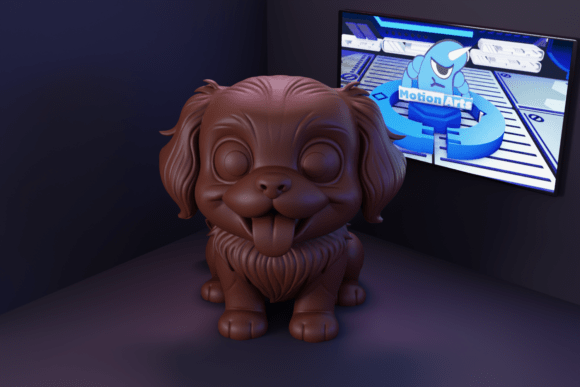
The 3D Labrador Retriever model discussed here distinguishes itself through a deliberate stylistic choice: a cartoon-inspired interpretation rather than strict photorealism. This approach emphasizes expressive features, such as enlarged eyes and softened contours, to capture the breed’s renowned docility and affectionate nature. While realistic models focus on anatomical precision, this design prioritizes emotional resonance. The posture is typically relaxed, conveying a sense of loyalty and calm that aligns with the Labrador’s reputation as a family companion.
For collectors, this stylistic decision offers a unique visual appeal that stands out among standard figurines. The simplified geometry can make the piece feel more approachable and whimsical, making it suitable for diverse display environments, from modern living rooms to children’s spaces. However, buyers should recognize that this is an artistic interpretation. Those seeking a scientifically accurate representation of canine anatomy may find the exaggerated proportions less suitable for their needs.
Technical Considerations for 3D Printing
One of the primary factors influencing the decision to download and print this model is its compatibility with various manufacturing technologies. The file is optimized for both FDM (Fused Deposition Modeling) and resin-based SLA/DLP printers. This versatility is a significant advantage, as it allows users to choose the technology that best fits their equipment and budget.
FDM Printing Insights
When using an FDM printer, the cartoon style’s smoother curves can be beneficial. Sharp, intricate details are often difficult to achieve with filament-based printing due to nozzle diameter limitations. The broader surfaces of this 3D Labrador Retriever reduce the likelihood of print failures related to overhangs or thin walls. Users should consider using a finer layer height, such as 0.12mm or 0.16mm, to ensure the transition between colors or painted sections remains smooth. Support structures may still be necessary for areas like the underside of the muzzle or between the legs, depending on the orientation chosen during slicing.
Resin Printing Insights
For resin users, the model offers an opportunity to highlight fine details that might be lost in FDM printing. The "shine of the muzzle" and the texture of the fur, as mentioned in the product description, can be rendered with high fidelity using high-resolution resins. However, resin printing requires careful attention to support placement to avoid marring the visible surfaces. The docile posture of the model generally provides stable contact points with the build plate, reducing the risk of detachment during the print process.
The Role of Post-Processing and Customization
A critical aspect of owning a 3D Labrador Retriever STL file is the potential for customization. Unlike mass-produced figurines, a 3D-printed model serves as a blank canvas. The design is explicitly intended for painting, allowing creators to replicate the specific coat color of their own pet or experiment with artistic color schemes.
- Surface Preparation: Sanding is often required to remove layer lines, particularly for FDM prints. A primer coat can help unify the surface texture before applying base colors.
- Detail Highlighting: The expressive eyes and muzzle are focal points. Using gloss varnish on these areas can simulate the natural wetness and shine of a real Labrador, adding a layer of realism to the cartoon style.
- Color Accuracy: Labradors come in yellow, black, and chocolate variations. Having the digital file allows for precise color matching, which is rarely possible with off-the-shelf decorations.
This level of personalization transforms the object from a simple print into a meaningful tribute. For dog lovers, the ability to recreate the exact shade of their pet’s fur adds significant emotional value.
Evaluating Fit: Who Is This Model For?
Determining whether this 3D Labrador Retriever aligns with your goals requires assessing your interests and capabilities. It is a strong fit for:
- Hobbyist Makers: Individuals who enjoy the entire workflow of 3D printing, from slicing to painting, will find the model’s balance of detail and printability rewarding.
- Pet Memorials: Those looking to create a lasting tribute to a beloved pet may appreciate the customizable nature of the model. The loving gaze and docile posture evoke a sense of comfort and memory.
- Decor Enthusiasts: People seeking unique home decor items that reflect their love for animals will find the cartoon style charming and versatile.
Conversely, this model may not be the ideal choice for:
- Users Seeking Instant Gratification: If you do not have access to a 3D printer or the time to paint and finish the model, purchasing a pre-made ceramic or resin figurine might be more practical.
- Purists of Realism: If your goal is educational or strictly anatomical, a scientific model with accurate muscle structure and bone alignment would be more appropriate than this stylized version.
Making an Informed Decision
When evaluating the 3D Labrador Retriever STL file, consider the end use. If the goal is to create a heartfelt gift or a personalized keepsake, the effort required for printing and painting is justified by the unique result. The file’s optimization for both FDM and resin printers lowers the barrier to entry, making it accessible to a wide range of makers.
It is also important to manage expectations regarding the "cartoon style." This aesthetic is a feature, not a flaw. It allows for greater expressive freedom and can be more forgiving of minor printing imperfections compared to hyper-realistic models. However, achieving a professional finish still requires skill in post-processing. Beginners should be prepared to invest time in learning painting techniques to fully realize the model’s potential.
In conclusion, the 3D Labrador Retriever offers a compelling blend of emotional appeal and technical accessibility. It serves as a testament to the bond between humans and dogs, captured in a format that encourages creativity and personal expression. By understanding the printing requirements and artistic possibilities, enthusiasts can determine if this model is the right addition to their collection of loving pets.