Halloween Pumpkin Scene Layered Haunted House: A Practical Review
In the realm of digital crafting assets, few designs capture the essence of seasonal decor as effectively as the Halloween Pumpkin Scene Layered Haunted House. This specific file represents a significant step up from standard flat cutouts, offering a complex, multi-dimensional project that transforms simple paper into a convincing 3D shadow box. For professionals and serious hobbyists alike, the value of such a design lies not just in its aesthetic appeal, but in its structural integrity, layering logic, and compatibility with modern cutting workflows. As we approach the peak of autumnal production cycles, evaluating tools like this becomes essential for anyone looking to elevate their handmade offerings or personal home decor.
The Anatomy of a Layered Shadow Box Design
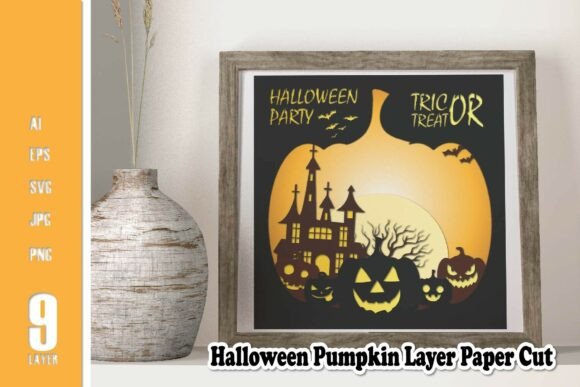
At its core, the Halloween Pumpkin Scene Layered Haunted House is a vector-based digital product designed to create depth through sequential stacking. Unlike single-layer silhouettes, which rely on negative space for definition, this design utilizes nine distinct layers to construct a narrative scene within the confines of a classic jack-o'-lantern shape. The outermost layer establishes the iconic pumpkin profile, carved with traditional facial features that frame the interior. Inside, the composition unfolds to reveal a gnarled haunted house, twisted trees, and a gathering of menacing smaller pumpkins, all set against a backdrop featuring a glowing moon and flying bats.
The inclusion of textual elements such as "HALLOWEEN PARTY" and "TRICK OR TREAT" adds a functional dimension, making the piece suitable for event signage or party invitations in addition to wall art. The effectiveness of this design hinges on the precision of these nine layers. In practical application, the spacing between layers determines the visual success of the shadow box effect. If the layers are too close, the depth is lost; if they are too far apart, the structural stability of the assembly may be compromised. This particular asset appears engineered to balance these variables, providing a robust framework for creators to work within.
Evaluating File Formats and Technical Compatibility
One of the primary considerations for any digital crafter is the versatility of the file formats provided. The Halloween Pumpkin Scene Layered Haunted House package includes AI, EPS, SVG, DXF, JPG, and PNG files. This comprehensive suite ensures compatibility across the spectrum of popular cutting machines, including Cricut, Silhouette Cameo, and industrial-grade vinyl plotters.
- AI and EPS: These vector formats are critical for users working in Adobe Illustrator or CorelDRAW. They allow for scalability without loss of quality, enabling designers to resize the pumpkin scene for anything from small desk ornaments to large-scale window displays.
- SVG and DXF: These are the industry standards for consumer-grade cutting machines. Their clean paths ensure that the intricate details of the haunted house and the delicate bat wings are cut accurately, minimizing blade drag and material waste.
- JPG and PNG: While not usable for cutting, these raster images serve as vital references for color planning and mockups, allowing creators to visualize the final product before committing materials.
From a technical standpoint, the separation of layers is equally important. A well-organized file structure allows users to easily isolate specific components, such as the moon or the text, to apply different colors or textures. In this design, the layers are meticulously crafted to remain independent yet cohesive, streamlining the workflow for both novice and experienced operators.
Material Selection and Creative Flexibility
The true potential of the Halloween Pumpkin Scene Layered Haunted House is unlocked through material selection. Because the design relies on layering, the choice of paper or cardstock directly impacts the final outcome. Heavier cardstock (typically 65lb to 110lb) provides the necessary rigidity to maintain the 3D structure, while lighter papers can be used for translucent effects when backlit.
Crafters can leverage the separate layers to experiment with texture and color gradients. For instance, using black cardstock for the background layers and orange for the foreground creates a stark, high-contrast look that mimics the glow of candlelight inside a real pumpkin. Alternatively, metallic foils or patterned scrapbook paper can introduce a unique, personalized touch. This flexibility makes the design particularly valuable for small business owners who need to produce limited-edition items or custom orders. The ability to mix and match materials means that no two finished pieces have to look identical, adding significant perceived value to the end product.
Real-World Applications and Market Viability
When assessing the practical utility of this asset, it is clear that it serves multiple markets beyond simple home decoration. For event planners and party coordinators, the Halloween Pumpkin Scene Layered Haunted House offers a ready-made centerpiece concept. When assembled, the shadow box effect draws the eye and serves as an immediate conversation starter at gatherings. The inclusion of party-specific text further enhances its utility for themed events.
For Etsy sellers and craft entrepreneurs, this design presents a viable product line. The complexity of the nine-layer assembly justifies a higher price point compared to single-cut decals. Furthermore, the timeless nature of the haunted house motif ensures consistent demand year after year. However, it is worth noting that the production time per unit will be higher than for simpler designs. Creators must factor in the time required for cutting, weeding, and assembling nine distinct layers when calculating labor costs and pricing strategies.
Limitations and Considerations
While the design is robust, there are limitations to consider. The intricate nature of the inner layers, particularly the gnarled trees and small jack-o'-lanterns, requires a sharp blade and potentially multiple passes on some machines. Users should conduct test cuts on scrap material to ensure the machine settings are optimized for the chosen thickness of paper. Additionally, the assembly process demands patience and precision; misaligned layers can ruin the illusion of depth. It is recommended that users utilize registration marks or a dedicated jig system to ensure perfect alignment during the gluing phase.
Who Benefits Most from This Asset?
The Halloween Pumpkin Scene Layered Haunted House is best suited for individuals and businesses that prioritize quality and detail over speed. Experienced crafters who already possess a workflow for layered projects will find this file immediately useful. They can integrate it into existing product lines with minimal adjustment. Educators and workshop leaders may also find value here, as the design offers a structured way to teach concepts of depth, perspective, and vector manipulation to students.
Conversely, those seeking quick, disposable decorations might find the nine-layer requirement excessive. The investment of time and material is substantial, making it less ideal for mass-produced, low-margin items. However, for anyone aiming to create a premium, heirloom-quality piece of Halloween art, this design offers the necessary depth and complexity to stand out in a crowded market.
Final Assessment
In summary, the Halloween Pumpkin Scene Layered Haunted House is a high-caliber digital asset that bridges the gap between simple cut files and professional-grade shadow box art. Its strength lies in its detailed composition, versatile file formats, and the creative freedom it affords regarding material choices. While it requires a degree of skill and patience to execute perfectly, the resulting 3D effect delivers a visual impact that flat designs simply cannot match. For professionals looking to expand their seasonal catalog or enthusiasts seeking a rewarding challenge, this design represents a reliable and effective tool for bringing the spooky fun of Halloween to life.