Evaluating Laser Cut 3D Flower Ornaments SVG for Precision Crafting
In the evolving landscape of digital fabrication, the demand for designs that bridge the gap between flat vector art and tangible, dimensional decor has grown significantly. Among the various assets available to makers and small business owners, Laser Cut 3D Flower Ornaments SVG files represent a specific niche that combines aesthetic appeal with technical precision. These digital packages are not merely simple cut files; they are engineered blueprints designed to transform two-dimensional materials into intricate, multi-layered sculptures. For professionals in the crafting industry, educators teaching design principles, or hobbyists looking to elevate their portfolio, understanding the utility and structure of these files is essential before integrating them into a workflow.
The Architecture of Dimensional Design
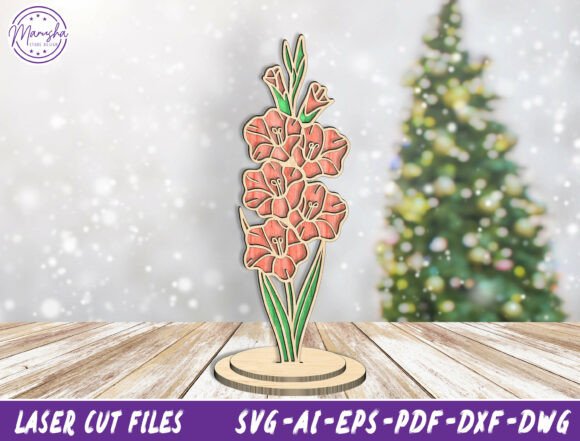
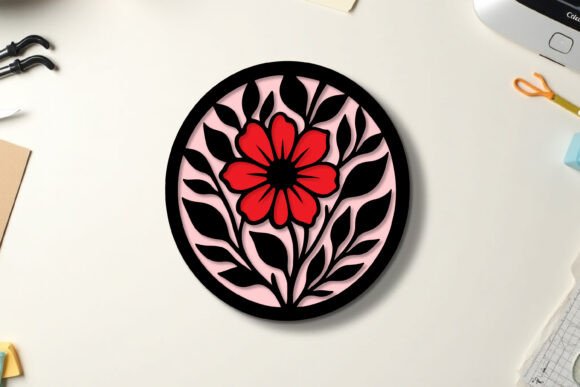
The primary value proposition of a Laser Cut 3D Flower Ornaments SVG lies in its structural complexity. Unlike standard silhouette cuts that rely on a single layer of material, these designs utilize a technique known as layering or stacking. Each petal, leaf, and central element is separated into distinct vectors that must be cut individually and then assembled. This approach allows creators to achieve a sense of depth and realism that is impossible with traditional flat cutting methods.
When evaluating such a design, one must consider the tolerance and fit. High-quality SVGs for 3D assembly account for the kerf—the width of the material removed by the laser beam. If the design does not account for this, layers may fit too loosely, causing the structure to wobble, or too tightly, making assembly frustrating or damaging to the material. A well-engineered Laser Cut 3D Flower Ornaments SVG ensures that each component interlocks or adheres seamlessly, providing a stable final product that maintains its shape over time.
File Versatility and Compatibility
A critical aspect of any digital asset is its compatibility with various hardware and software ecosystems. The typical zip archive for these ornaments includes a comprehensive suite of file formats: AI, EPS, SVG, JPG, PNG, DXF, and DWG. This diversity is not accidental; it addresses the fragmented nature of the maker community.
- SVG and DXF: These are the industry standards for most consumer and prosumer laser cutters, including Glowforge, xTool, and Universal Laser systems. They preserve vector data, ensuring clean lines and scalable dimensions without pixelation.
- AI and EPS: Preferred by professional graphic designers using Adobe Illustrator or CorelDRAW, these formats allow for deeper editing of nodes and paths before sending the job to the cutter.
- DWG: Essential for users operating within AutoCAD environments, often found in industrial or architectural prototyping settings.
- JPG and PNG: While not used for cutting, these raster images are vital for marketing. They allow sellers to create preview images, social media content, and packaging labels without needing to render the physical object first.
This multi-format approach reduces friction in the user experience. Whether a creator is using a high-end industrial cutter or a desktop diode laser, the inclusion of these formats ensures that the Laser Cut 3D Flower Ornaments SVG is accessible regardless of the technical stack.
Practical Application and Workflow Integration
Implementing these designs into a production workflow requires a methodical approach. The process is straightforward but demands attention to detail to ensure the final output matches the digital preview. Here is how the typical workflow unfolds:
- Preparation: Begin by downloading the file to your local computer. It is crucial to extract all files from the zip archive immediately to avoid pathing errors when linking assets in design software.
- Software Setup: Upload the appropriate vector file (usually SVG or DXF) into your cutting machine’s software. At this stage, verify the scale. Ensure that the dimensions match your intended final product size, as resizing can sometimes affect the fit of interlocking tabs if not done proportionally.
- Cutting Process: Use the machine to cut each layer. It is advisable to use consistent material thickness for all layers unless the design specifies otherwise. Inconsistent material thickness can disrupt the stacking alignment.
- Assembly: Once all layers are cut, stack them in the correct order as per the serial numbering provided in the design. This step transforms the flat pieces into the final piece of art. Using a high-quality adhesive suitable for the chosen material is key to longevity.
With these simple steps, you can create your own stunning Laser Cut 3D Flower Ornaments Laser Cut design. However, the ease of these steps belies the importance of material selection. Wood veneers, acrylics, and cardstocks behave differently under laser heat and during assembly. Testing a single unit before batch production is a prudent practice to identify any potential issues with fit or finish.
Target Audience and Commercial Viability
Who benefits most from acquiring a Laser Cut 3D Flower Ornaments SVG? The audience is broad but distinct. Small business owners who sell home decor on platforms like Etsy or at local craft fairs find these designs particularly valuable. The 3D aspect adds perceived value, allowing for higher price points compared to flat ornaments. Furthermore, the visual complexity of layered flowers appeals to customers looking for unique, handcrafted aesthetics that mass-produced items cannot replicate.
Educators and workshop leaders also find utility in these files. They serve as excellent teaching tools for demonstrating spatial reasoning, vector manipulation, and the principles of additive manufacturing. For freelancers and marketers, having access to high-resolution PNGs and JPGs within the package aids in creating compelling visual campaigns without the need for immediate physical prototyping.
However, there are limitations to consider. These designs require more time to produce than single-layer cuts due to the multiple passes needed and the manual assembly required. For high-volume production, this labor intensity must be factored into pricing models. Additionally, the fragility of intricate floral details means that shipping and handling require careful packaging to prevent breakage.
Quality Assessment and Long-Term Value
When assessing the long-term value of a digital design package, consistency is paramount. A reliable Laser Cut 3D Flower Ornaments SVG should produce consistent results across different batches of material. The vectors should be closed paths without redundant nodes, which minimizes cutting time and reduces wear on the laser lens. Clean, optimized files reflect a professional standard that respects the user’s time and machine resources.
The flexibility of the design also contributes to its value. Can the colors be easily changed in the software? Can the size be adjusted without breaking the structural integrity? High-quality designs allow for customization, enabling creators to offer personalized options to their clients. This adaptability makes the asset a versatile tool in a creator’s library rather than a one-time use item.
Moreover, the support structure behind the purchase matters. Knowing that the provider is happy to answer any questions may have regarding file compatibility or assembly issues adds a layer of security for the buyer. This level of customer service indicates a commitment to quality that extends beyond the transaction.
Final Considerations for Creators
Integrating Laser Cut 3D Flower Ornaments SVG into your creative repertoire offers a pathway to producing sophisticated, high-value decor. The combination of precise vector engineering and multi-format accessibility makes these files a robust resource for both novice and experienced makers. By understanding the technical requirements—such as material thickness, kerf compensation, and assembly order—creators can maximize the potential of these designs.
For those looking to expand their product lines or enhance their educational offerings, these ornaments provide a balanced mix of aesthetic beauty and technical challenge. They invite users to engage deeply with the fabrication process, resulting in a tangible reward that reflects both skill and creativity. As with any tool, the outcome depends on the care taken in execution, but the foundation provided by a well-designed SVG package significantly lowers the barrier to entry for creating complex 3D art.
Thank you for visiting my store. We remain committed to providing resources that empower creators to achieve professional results. If you have further inquiries about specific machine settings or material recommendations, do not hesitate to reach out. Your success in bringing these digital designs to life is our primary goal.