Fresh Lime Fruit: A Strategic Element for Brand Vitality and Sensory Engagement
In the landscape of visual branding and product development, small details often carry disproportionate weight. The Fresh Lime Fruit is not merely a culinary ingredient; it is a potent symbol of freshness, energy, and clarity. When integrated into design systems, marketing collateral, or physical products, it serves as a strategic anchor that communicates vitality without the need for verbose explanation. For entrepreneurs, designers, and brand managers, understanding how to leverage this specific botanical element can enhance customer experience and reinforce brand positioning.
Consider the psychological impact of citrus imagery. It triggers immediate associations with cleanliness, health, and summer vibrancy. By incorporating a representation of Fresh Lime Fruit into your creative assets, you are tapping into a universal sensory language. This approach is particularly effective when aiming to cut through market noise with simplicity and boldness. The goal is not just aesthetic appeal, but functional communication that aligns with broader business objectives.
The Design Logic: Simplicity and Depth
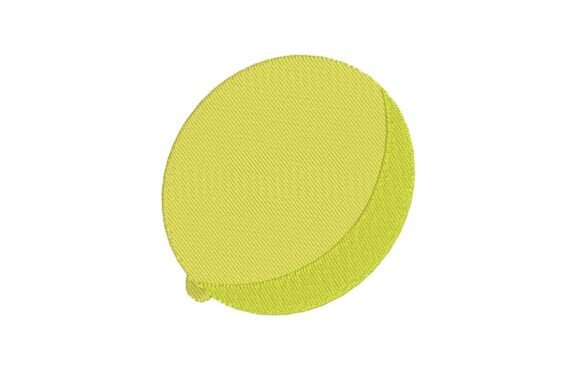
Effective design relies on the balance between simplicity and depth. An embroidery design featuring a bright and fresh whole lime exemplifies this principle. The design utilizes the simple, round shape of the fruit, rendered in two tones of vibrant citrus green. This dual-tone approach creates a subtle 3D effect, adding dimensionality without clutter. For decision-makers overseeing brand assets, this level of restraint is crucial. It ensures that the visual element remains versatile across various mediums, from digital screens to textile applications.
The choice of vibrant citrus green is deliberate. Green is psychologically associated with growth, renewal, and stability. When applied to a Fresh Lime Fruit motif, it amplifies these associations while adding a layer of zesty energy. This makes the design ideal for contexts where you want to evoke a sense of awakening or refreshment. Whether used in kitchen decor or on cocktail napkins, the image acts as a visual cue that prepares the consumer for a positive, uplifting experience.
Strategic Applications in Seasonal Marketing
One of the most powerful uses of this imagery is in seasonal transition marketing. As autumn approaches, consumer sentiment often shifts toward comfort and warmth. However, introducing a Fresh Lime Fruit design during this period can serve as a strategic counterpoint. It brings a fresh reminder of summer flavors into the autumn season, creating a unique emotional bridge for customers. This technique, known as sensory contrast, can differentiate your brand from competitors who strictly adhere to traditional seasonal palettes.
- Extended Seasonality: Use lime imagery to extend the perceived lifespan of summer-themed products.
- Emotional Contrast: Leverage the brightness of lime to offset the heaviness of autumn trends.
- Brand Consistency: Maintain a core visual identity that transcends seasonal fluctuations.
For small business owners and creators, this means planning inventory and marketing campaigns that do not abruptly discard summer assets. Instead, integrate them thoughtfully. A linen towel with an embroidered lime can remain relevant in October if positioned as a way to "keep the summer spirit alive" indoors. This strategic framing adds value to existing stock and reduces waste.
Enhancing Customer Experience Through Tactile Design
The medium matters as much as the message. Embroidery offers a tactile dimension that printed graphics cannot replicate. When a customer touches a cocktail napkin or a kitchen towel featuring a raised, textured lime design, the engagement becomes multisensory. This tactile interaction reinforces brand quality and attention to detail. For hospitality businesses, such as cafes or boutique hotels, these small touches contribute significantly to the overall customer experience.
Implementing this requires careful consideration of material and placement. The embroidery should be durable enough to withstand frequent washing, ensuring long-term utility. From an operational standpoint, investing in high-quality embroidered items may have a higher upfront cost, but the longevity and perceived value often justify the expense. It signals to the customer that the brand cares about durability and aesthetics, fostering trust and loyalty.
Risks of Contextual Misalignment
While the Fresh Lime Fruit is a versatile symbol, it is not universally appropriate. Using it without clear goals or context can lead to brand confusion. For instance, applying a bright, zesty lime design to a luxury winter coat collection might create cognitive dissonance unless executed with extreme sophistication. The risk lies in random application rather than intentional integration.
To mitigate this, always ask: Does this visual element support the core narrative of the product? If the answer is unclear, reconsider the placement. Strategic use means aligning the visual cue with the functional benefit. If the product is about warmth, a lime might feel out of place. If the product is about cleansing, energy, or flavor, the lime is highly congruent. Avoid using trendy visuals simply because they are popular; ensure they serve a specific communicative purpose.
Decision-Making Framework for Creative Assets
When deciding whether to incorporate a Fresh Lime Fruit motif into your next project, consider the following framework. This approach helps ensure that creative decisions are grounded in strategic intent rather than arbitrary preference.
- Define the Objective: Are you trying to evoke freshness, cleanliness, or energy? If yes, the lime is a strong candidate.
- Assess the Audience: Does your target demographic respond positively to bright, natural imagery? Younger audiences and health-conscious consumers often do.
- Evaluate the Medium: Will the design translate well in embroidery, print, or digital format? The two-tone green design works exceptionally well in textiles due to the texture contrast.
- Check for Saturation: Is the market flooded with similar imagery? If so, how can you differentiate? Perhaps through unique color shades or unconventional placement.
- Measure Long-Term Value: Will this design remain relevant beyond the current season? Classic botanical motifs tend to have longer shelf lives than abstract trends.
This structured evaluation prevents impulsive design choices and ensures that every asset contributes to the broader brand strategy. It encourages creators to think critically about the lifecycle of their visual elements.
Practical Tips for Implementation
For those ready to move forward, here are practical steps to integrate this design effectively. First, start with small-scale tests. Apply the embroidery design to a limited run of products, such as coasters or napkins, and gather feedback. Observe how customers interact with the item. Do they comment on the texture? Do they associate it with positive feelings?
Second, consider cross-promotion opportunities. Pair the lime-themed items with complementary products, such as citrus-scented candles or herbal teas. This creates a cohesive thematic experience that enhances perceived value. Finally, document the results. Track sales data and customer reviews to understand the impact of the design. This data will inform future decisions and help refine your approach to visual branding.
In conclusion, the Fresh Lime Fruit is more than a decorative element. It is a strategic tool that, when used with intention, can enhance brand perception, improve customer experience, and drive engagement. By focusing on simplicity, tactile quality, and contextual relevance, creators and business owners can leverage this vibrant symbol to achieve meaningful results. The key lies in thoughtful application, ensuring that every stitch and shade of green serves a purpose in the larger narrative of your brand.