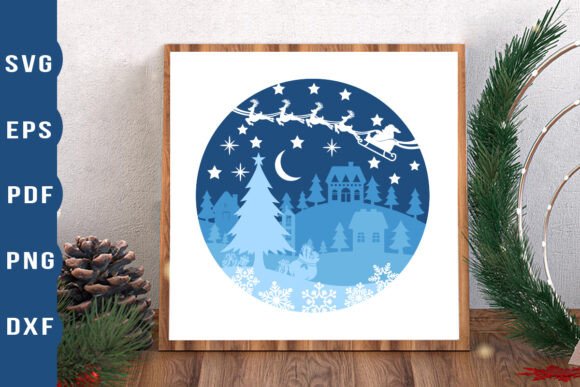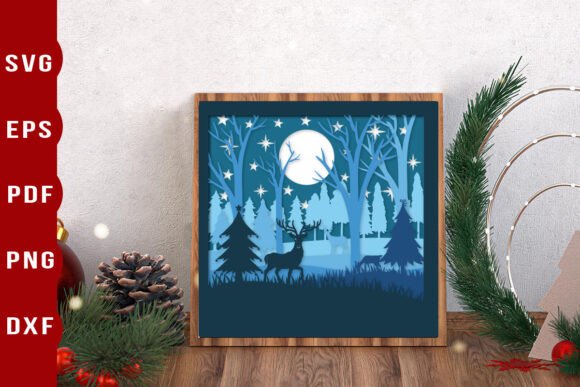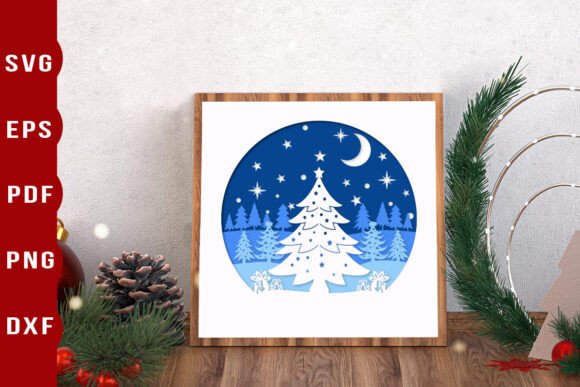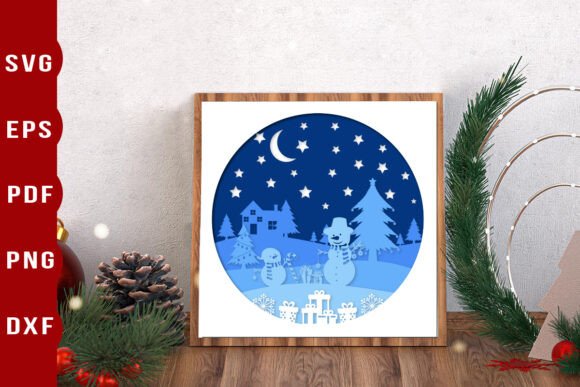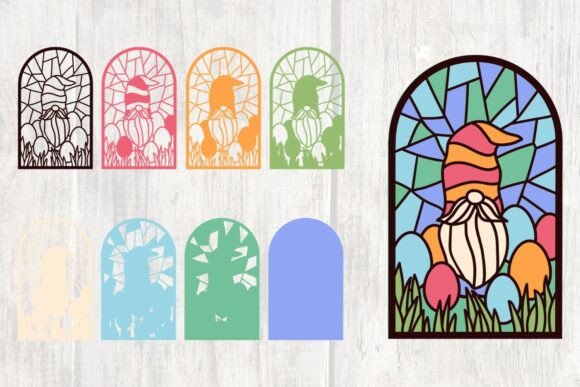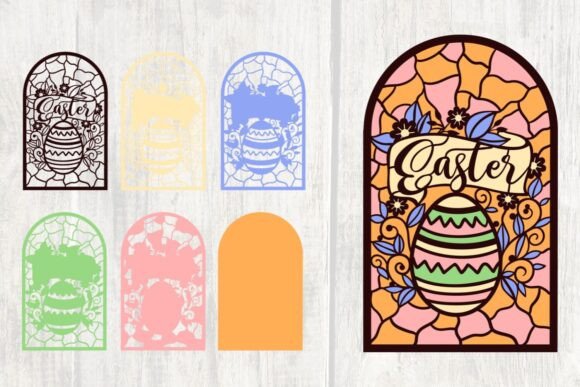
Easter Egg Layered Stained Glass Design
Transforming flat digital concepts into tangible, dimensional art requires a keen eye for depth and texture. The Easter Egg Layered Paper Stained Glass design exemplifies this shift, offering creators a sophisticated way to merge traditional craft aesthetics with modern digital precision. This intricate 3D paper cut style does more than just decorate; it introduces a tactile quality to visual communication that resonates deeply with audiences seeking authenticity and warmth in their seasonal interactions.
The Intersection of Craft and Digital Precision
In contemporary graphic design, the line between physical craftsmanship and digital asset creation is increasingly blurred. This specific design approach mimics the delicate art of layered paper cutting, where each stratum adds shadow, depth, and narrative complexity. For designers working in branding or editorial layouts, incorporating such textured elements can significantly enhance visual hierarchy. It draws the viewer’s eye through the composition, creating a focal point that feels both nostalgic and refreshingly modern.
The versatility of this asset lies in its structural integrity. Unlike flat illustrations, a layered design invites interaction. Whether used for high-end packaging design or immersive web design backgrounds, the perception of depth adds a premium feel to the overall presentation. This is crucial for brands aiming to elevate their identity during competitive seasonal campaigns.
Practical Applications Across Creative Industries
Understanding how to deploy these assets effectively can streamline your design workflow while maximizing impact. The Easter egg scroll, featuring six distinct layers, is engineered for flexibility across various mediums. Here is how professionals can leverage this resource:
- Packaging and Print Design: Use the layered structure to create die-cut templates for greeting cards or luxury product boxes. The separation of layers allows for precise printing on different materials, enhancing the unboxing experience.
- Digital Marketing and Social Media: Adapt the PNG formats for animated social media graphics. By subtly animating individual layers, you can create engaging motion content that stands out in crowded feeds without compromising load times.
- UI and Web Design: Incorporate the SVG files as interactive elements on landing pages. The scalability of vector formats ensures crisp rendering on any device, maintaining professional presentation standards.
- Merchandise and Cake Toppers: The DXF and EPS formats are ideal for cutting machines, allowing small businesses to produce physical goods like cake toppers or porch decorations with minimal waste and maximum precision.
Optimizing Visual Impact and Brand Consistency
When integrating complex designs like stained glass patterns into your creative projects, consistency is key. The color palette chosen for these layers should align with your existing brand identity. While the traditional stained glass look often features vibrant, contrasting hues, adapting these tones to match your corporate colors can strengthen brand recognition.
Typography also plays a critical role. When pairing this ornate visual element with text, opt for clean, sans-serif fonts to balance the intricacy of the paper cuts. This contrast ensures readability and prevents visual clutter, a common pitfall in editorial design and advertising campaigns. Remember, the goal is to let the design inspire without overwhelming the core message.
Selecting the Right Format for Your Workflow
The availability of multiple file formats—EPS, SVG, PNG, and DXF—caters to diverse professional needs. Vector formats like SVG and EPS are indispensable for logo design and large-scale print applications where scalability is non-negotiable. They allow for infinite resizing without loss of quality, ensuring your visual design remains sharp from business cards to billboards.
Conversely, PNGs offer immediate usability for digital marketing assets where transparency is required for layering over photos or videos. DXF files bridge the gap between digital design and physical production, making them essential for creators involved in manufacturing or craft-based merchandise. Choosing the correct format early in the design process saves time and reduces errors during the final output stage.
Ultimately, the value of high-quality creative assets lies in their ability to communicate emotion and quality simultaneously. By thoughtfully selecting and applying resources like the Easter Egg Layered Paper Stained Glass, designers can create memorable experiences that resonate with their audience. Whether enhancing user engagement on a website or adding a touch of elegance to holiday packaging, these tools empower creators to deliver work that is not only visually stunning but also strategically effective.