3D Inflated Teaching is a Work of Heart: Evaluating Digital Design Assets for Custom Merchandise
In the evolving landscape of digital content creation, the intersection of emotional resonance and technical precision defines successful design projects. 3D Inflated Teaching is a Work of Heart represents a specific niche within this broader category, combining tactile visual aesthetics with meaningful messaging. For educators, crafters, and small business owners, understanding the utility of such assets is crucial before integrating them into physical products. This article explores the characteristics of these designs, compares them to traditional flat graphics, and evaluates their suitability for various printing mediums.
Understanding the Aesthetic and Technical Appeal
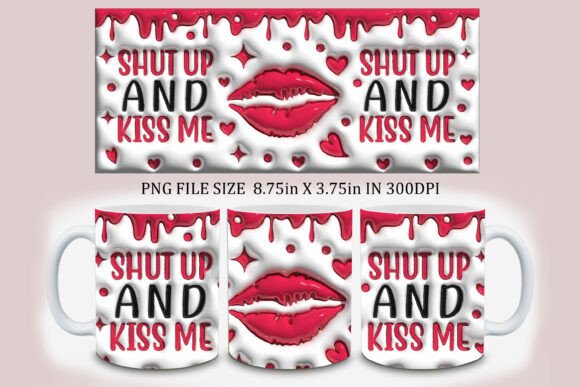
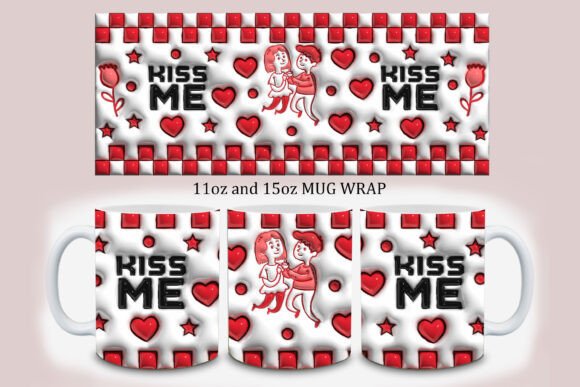
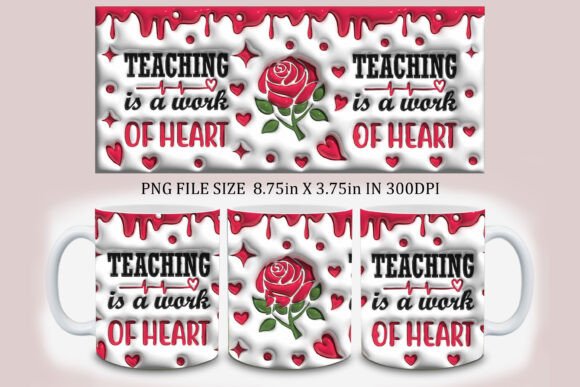
The term "3D inflated" refers to a graphic style that mimics the appearance of balloon-like or puffy textures. Unlike standard two-dimensional vectors, these designs utilize shading, highlights, and depth cues to create an illusion of volume. When applied to the phrase "Teaching is a Work of Heart," the visual weight of the text reinforces the emotional sentiment. The softness of the inflated style contrasts effectively with the often rigid expectations of educational environments, offering a warm, approachable aesthetic.
From a technical standpoint, these assets are typically delivered as high-resolution PNG files. A standard specification, such as an 11oz mug design measuring 8.75 inches by 3.75 inches at 300 DPI, ensures clarity across most consumer-grade printers. The transparency inherent in PNG formats allows designers to place the graphic over any background color without unsightly white boxes, a significant advantage over JPEGs. However, users must recognize that while the file is digital, the end result depends heavily on the physical medium chosen.
Comparing 3D Inflated Designs to Traditional Flat Graphics
When deciding between 3D Inflated Teaching is a Work of Heart graphics and traditional flat vector art, several factors come into play. Flat graphics are often preferred for screen printing due to their simplicity and lower ink consumption. They scale infinitely without quality loss if created as vectors. In contrast, 3D inflated designs rely on raster-based details like gradients and shadows. While they may not scale indefinitely without pixelation, modern high-DPI files mitigate this issue for most common product sizes.
The primary distinction lies in visual impact. Flat designs can sometimes appear stark or corporate. The inflated style adds a layer of playfulness and modernity that resonates well with contemporary trends in social media and e-commerce. For items intended as gifts or personal keepsakes, the added dimensionality can make the product feel more premium and thoughtfully designed. However, this comes with a tradeoff: complex shading requires higher quality printing methods to reproduce accurately. Low-quality sublimation prints may muddy the subtle gradients, reducing the 3D effect to a blurry mess.
Evaluating Material Compatibility and Print Methods
The versatility of a digital asset is determined by its compatibility with various substrates. The 3D Inflated Teaching is a Work of Heart design is not limited to a single application. Understanding how it interacts with different materials is essential for achieving professional results.
- Ceramic Mugs: The standard 11oz mug is a popular canvas. The curved surface requires careful wrapping of the design. Since the file dimensions are approximate, resizing is often necessary to ensure the graphic sits correctly within the printable area without distorting the 3D perspective.
- Skinny Tumblers: These require narrower designs. Users can resize the original file to fit the slimmer profile, but they must maintain the aspect ratio or carefully crop the image to avoid stretching the inflated text, which would break the visual illusion.
- Printable Vinyl and Heat Transfer: For apparel or stickers, the design can be printed on vinyl or heat transfer paper. Here, the background transparency of the PNG is critical. It allows the fabric color to show through any non-graphic areas, creating a seamless look. However, dark fabrics may require a white underbase, which some home printers cannot provide.
- Waterlides and Decals: For intricate applications like model decorating or glassware, waterlide decals offer precision. The high resolution of the source file ensures that fine details in the shading remain crisp even when scaled down.
It is important to note that colors may not print exactly as seen on a monitor. Monitor calibration varies widely, and printer ink profiles differ. A vibrant red on screen may appear darker or duller on ceramic. Professionals often recommend printing test patches to adjust color balance before committing to a full production run.
Digital Assets vs. Physical Products: Managing Expectations
A common point of confusion for new creators is the nature of the transaction. Purchasing a design like 3D Inflated Teaching is a Work of Heart means acquiring a digital file, not a physical object. Nothing will be mailed to the buyer. This distinction is vital for budgeting and planning. The buyer assumes the role of the manufacturer, responsible for sourcing blanks, operating printers, and managing inventory.
This model offers significant flexibility. Users are only limited by their imagination and equipment. One can produce a single mug for a friend or a hundred for a school fundraiser. However, it also introduces variability. The final quality depends on the user’s printer, ink, substrate, and technique. Those seeking a guaranteed, uniform product without effort may find ready-made physical goods more suitable, though often at a higher per-unit cost and with less customization potential.
Decision Factors: When to Choose This Design Style
Choosing the right design asset involves assessing your target audience and production capabilities. The 3D Inflated Teaching is a Work of Heart theme is particularly effective in specific contexts:
- Gift-Giving Occasions: Valentine’s Day, Teacher Appreciation Week, and end-of-year gifts benefit from the emotional warmth of the message combined with the soft visual style.
- Small Batch Production: Ideal for Etsy sellers or local crafters who want to offer unique, trendy items without large minimum order quantities from manufacturers.
- Personalization Projects: The design serves as a strong base that can be combined with names, dates, or school logos, provided the layout remains balanced.
Conversely, this style may not be the best choice for large-scale industrial screen printing where color separation costs are prohibitive, or for audiences who prefer minimalist, ultra-modern aesthetics over playful, textured looks. Additionally, if you lack access to a sublimation printer or high-quality inkjet setup, the nuances of the 3D effect may be lost, making a simpler flat design a safer bet.
Practical Tips for Implementation
To maximize the potential of your digital download, consider these practical steps. First, always check the DPI settings in your editing software. Resizing an image up significantly can lead to pixelation, so start with the highest resolution file available. Second, perform a test print on plain paper to check sizing and color balance before using expensive sublimation paper or vinyl. Third, keep in mind that dimensions are approximate. Measure your specific blank product, as manufacturing tolerances can vary between brands of mugs or tumblers.
Finally, stay updated with design trends. Following creators who offer these files can provide access to new variations and complementary assets. This continuous influx of resources allows for a diverse product line, keeping offerings fresh and engaging for customers. By treating the digital file as a foundational tool rather than a finished product, creators can leverage 3D Inflated Teaching is a Work of Heart to produce meaningful, high-quality merchandise that stands out in a crowded market.